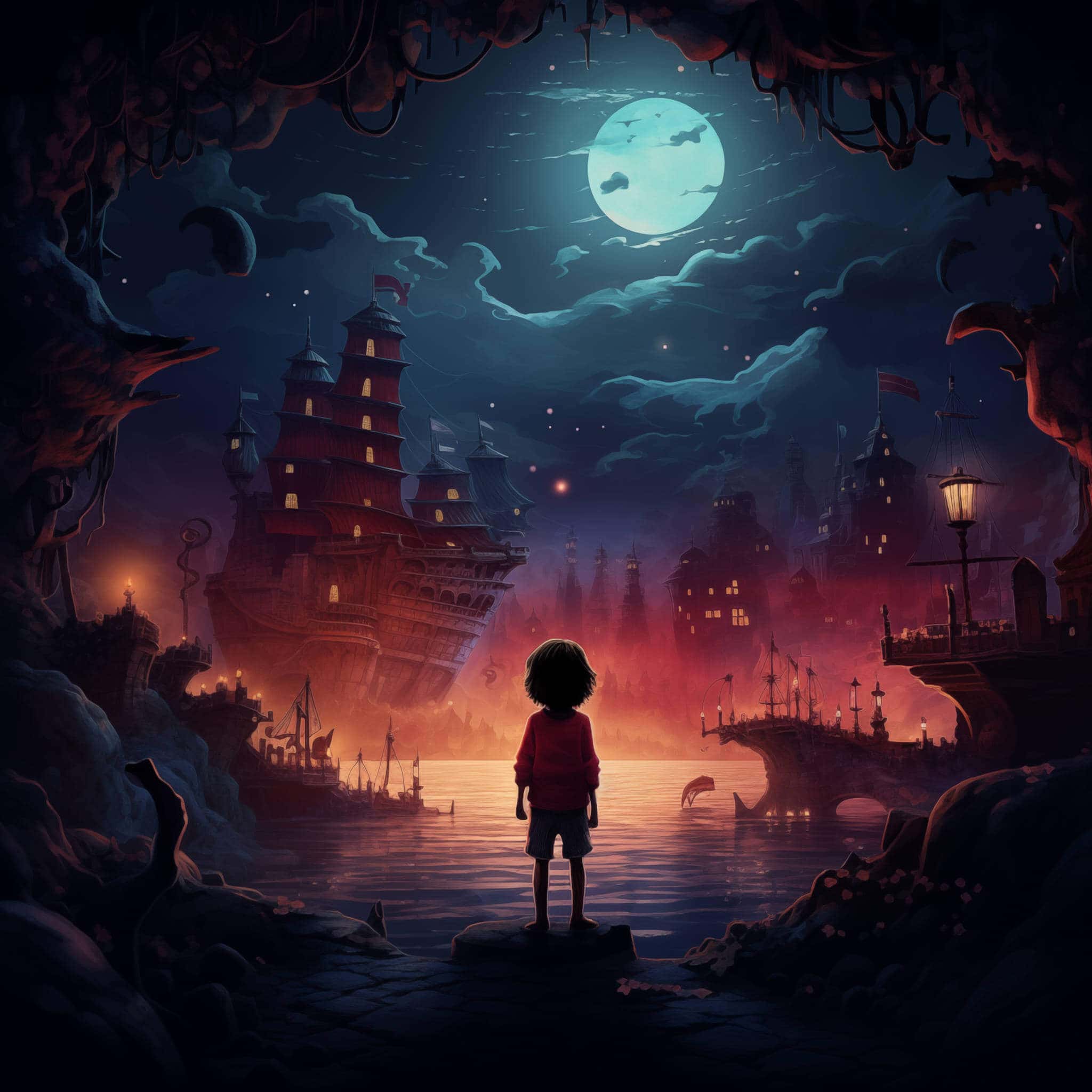

Eco Tales That Spark Action
Stories are often a child’s first window into the wider world. Before they can read charts or understand statistics, kids already follow plot twists, root for heroes, and remember lines from their favorite bedtime story. That makes narrative a surprisingly powerful tool for shaping how children see the planet and their role in protecting it.
Why Narratives Resonate With Young Minds
Children are wired for stories. They think in characters, settings, problems, and solutions long before they can handle abstract concepts like "carbon emissions" or "deforestation rates."
Research on environmental education has found that storytelling can boost both understanding and motivation. In one study on teaching young students about deforestation, kids who heard story-based lessons retained more key ideas and felt more eager to act than kids who got plain expository lessons. Narratives that use strong contrasts, vivid imagery, and a touch of mystery and wonder helped children grasp complex environmental issues and remember them later. When those stories emphasized solutions and hope rather than doom, they were especially impactful for young audiences, as described in the research on storytelling raising awareness and action among very young students.
In other words, a child is far more likely to remember "the river that got sick but healed when the village worked together" than a list of pollution facts. Stories make environmental ideas concrete, emotional, and personal.
Key Environmental Themes Found in Popular Children’s Books
Plenty of beloved books slip big green ideas into small, approachable tales. Some recurring themes show up again and again. One theme is protecting nature from harm. Dr. Seuss’s classic The Lorax centers on the Lorax, who "speaks for the trees" as the Once-ler’s factory chops down the colorful Truffula forest. The book tackles pollution, habitat loss, and runaway consumption, but in a playful, rhyming universe. It also ends with a seed and a message that change is still possible, a hopeful note that keeps kids engaged instead of overwhelmed, as summarized in background on The Lorax.
Another theme is water as sacred and shared. We Are Water Protectors by Carole Lindstrom follows an Ojibwe girl who stands up to an oil pipeline threatening her community’s water. The story blends activism with Indigenous perspectives, stressing both the sacredness of water and our shared responsibility to defend it. Its lyrical text and powerful illustrations helped it earn the 2021 Caldecott Medal, as noted in more information on We Are Water Protectors.
A third theme is balancing growth and conservation. In Uno’s Garden by Graeme Base, Uno moves into a lush forest, but as more people arrive and build, animals disappear and concrete takes over. The story quietly introduces ideas like biodiversity, habitat destruction, and the need for balance between human development and wild spaces, as described in an overview of Uno’s Garden.
Across these books, common motifs appear: voiceless nature given a champion, clear consequences for careless choices, communities uniting to solve problems, and a door left open for redemption.
Real World Behaviors Sparked by Fictional Heroes
Stories alone do not magically turn kids into eco-activists, but they often provide the emotional "spark" that makes real habits feel meaningful.
When a child sees a character who refuses to dump waste in a river, a family that saves seeds and plants trees, or a community that cleans up a polluted shore, they are watching social norms and role models in action. Kids naturally imitate characters they admire. After reading a story where the protagonist walks instead of taking a car, a child may pipe up, "Can we walk to school too?" That simple question can open a conversation about air quality and climate without a lecture.
Many classrooms that use books like The Lorax or We Are Water Protectors report that students become more vocal about things like litter, water waste, and recycling. The characters provide language and images children can use to explain why they care: "We have to speak for the trees" or "we are water protectors too."
The key is that stories turn vague "environmentalism" into concrete, doable actions that feel heroic rather than boring or scary.
Choosing Books and Media With Authentic Eco Messages
Not every green-themed book hits the mark. When you are picking stories, look for strong, relatable characters because children connect most with characters who feel like real kids: curious, sometimes scared, sometimes brave. A perfect superhero who never makes mistakes is less helpful than a child who learns, grows, and changes.
Also look for specific environmental issues, not just "be nice to nature," because a story that clearly shows what pollution, habitat loss, or water contamination looks like in a child’s world will stick better than vague "love the Earth" slogans.
Look for honest stakes, balanced with hope. Avoid stories that skip consequences entirely, but also avoid those that wallow in doom. The research mentioned earlier found that messages of hope and concrete solutions are crucial for kids’ engagement and emotional well-being.
Look for respectful cultural representation. Books like We Are Water Protectors highlight Indigenous leadership and knowledge rather than treating communities as background. Look for stories that center voices directly connected to the land and issues depicted.
Look for room for conversation. The best eco-stories leave open questions: "What would you have done?" "What could our town do differently?" That space for reflection turns a passive read into active learning.
For families who want something tailor-made, you can even create a personal story where your child becomes the hero who protects a garden, cleans up a beach, or helps wild animals find safe habitat. Customizing the main character and setting can make the lessons feel especially close to home.
Complementary Activities to Reinforce Story Lessons
Stories plant the seed. What you do afterwards helps it grow.
Here are simple ways parents and educators can link narrative to real-life eco habits. After reading, talk it through and ask: "What was the problem?" "How did the character help?" "Is there anything like that near us?" Let kids lead the conversation and connect dots.
Translate plot into action. If the story focused on trees, plant a seed in a pot or join a local tree-planting event. If it was about water, track how many minutes the family spends in the shower and set a fun "shorter shower" challenge.
Turn kids into storytellers. Invite children to draw a comic or dictate their own sequel: "What happens next?" When kids invent their own eco heroes, they are rehearsing values and decisions in their imagination.
Link to community projects. Bring the book’s themes into the real world: a neighborhood cleanup, school garden, or recycling drive. Frame it explicitly as "our chapter" of the story.
Use role-play. Younger children love pretending. Let them play "forest rangers," "water protectors," or "recycling detectives" and act out what caring for the planet looks like.
The goal is to help kids see that what happens on the page is connected to choices they make in their room, classroom, and neighborhood.
Tracking Shifts in Kids’ Environmental Attitudes
You do not need formal surveys to notice change, but a little intentional tracking can show you what is working.
Watch for language shifts. Do kids start saying things like, "That is bad for wild animals," or "We should not waste water"? New words and phrases are early signs of new values.
Watch for spontaneous actions. Are they picking up litter without being asked, reminding others to turn off lights, or asking to reuse materials for crafts?
Watch for story recall and transfer. If a child points to a real tree stump and brings up The Lorax, they are connecting narrative to reality. That is a major step.
Teachers might keep a simple reflection journal of class comments over time. Families can do quick, occasional check-ins: "What is one thing you did this week that helped the Earth?" These small rituals reinforce that caring for the environment is part of everyday identity, not a one-time project.
When narrative, conversation, and action line up, eco tales become more than entertainment. They become the quiet, powerful scripts kids carry into their future decisions about the world they will inherit.